Germany rewards a first visit with contrasts: Berlin’s layered history, Hamburg’s working harbor and Bavarian Alpine scenery all feel like different trips. Rather than race through a dozen cities, choose a few distinct bases and leave room for a small-town detour. Germany Travel recommends allowing two to three days for a first impression of a city; its city guide is a useful starting point for matching places to your interests.
1. Berlin: history you can walk through
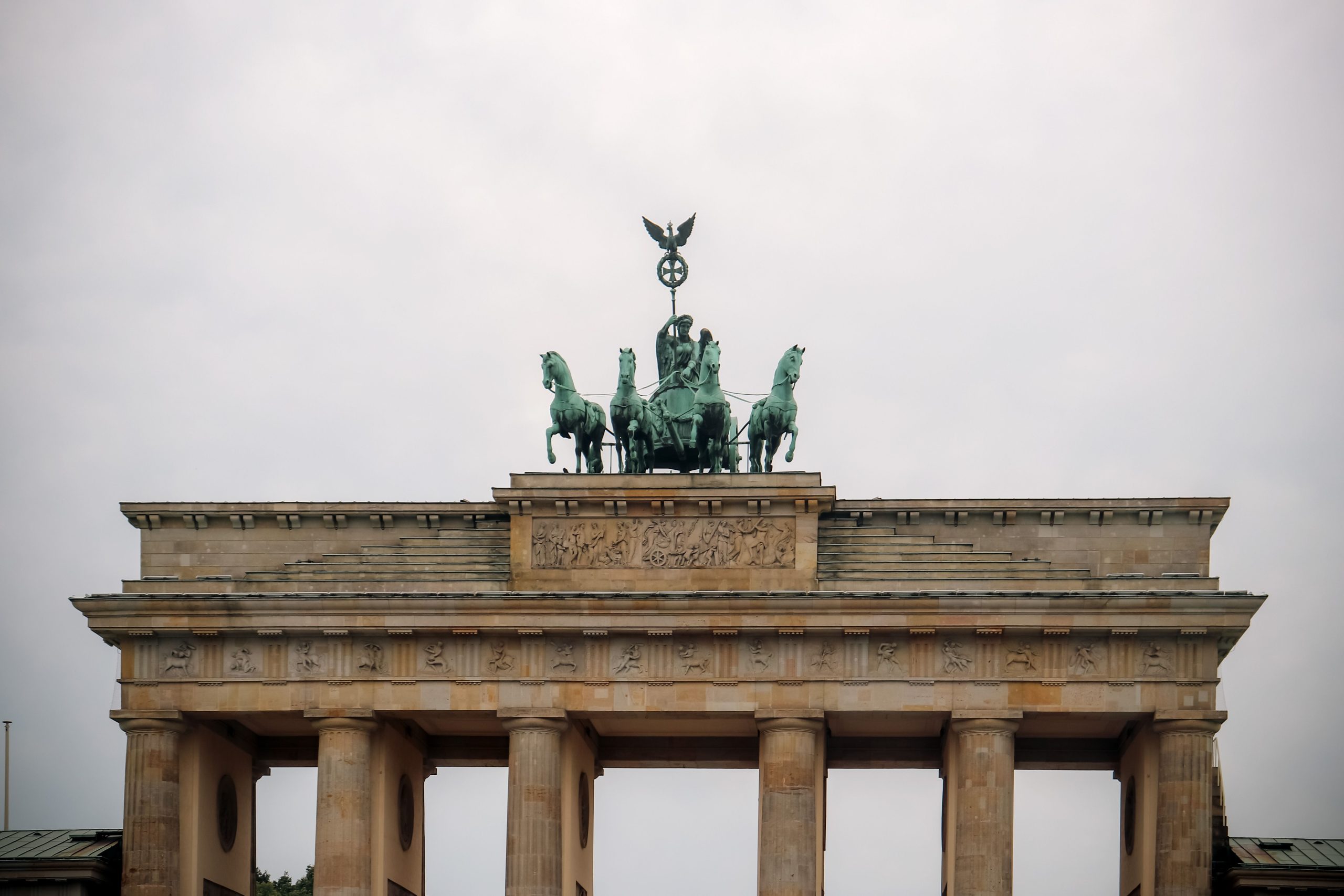
Begin in the capital for the Brandenburg Gate, the Reichstag area and the remains of the Berlin Wall, then spend time in neighborhoods such as Kreuzberg or Prenzlauer Berg. Berlin is sprawling, so plan each day around one area instead of zigzagging between attractions. It is the best first stop if modern history, museums and late nights matter more to you than postcard-perfect streets.
2. Munich and the Bavarian Alps: city life with a castle detour
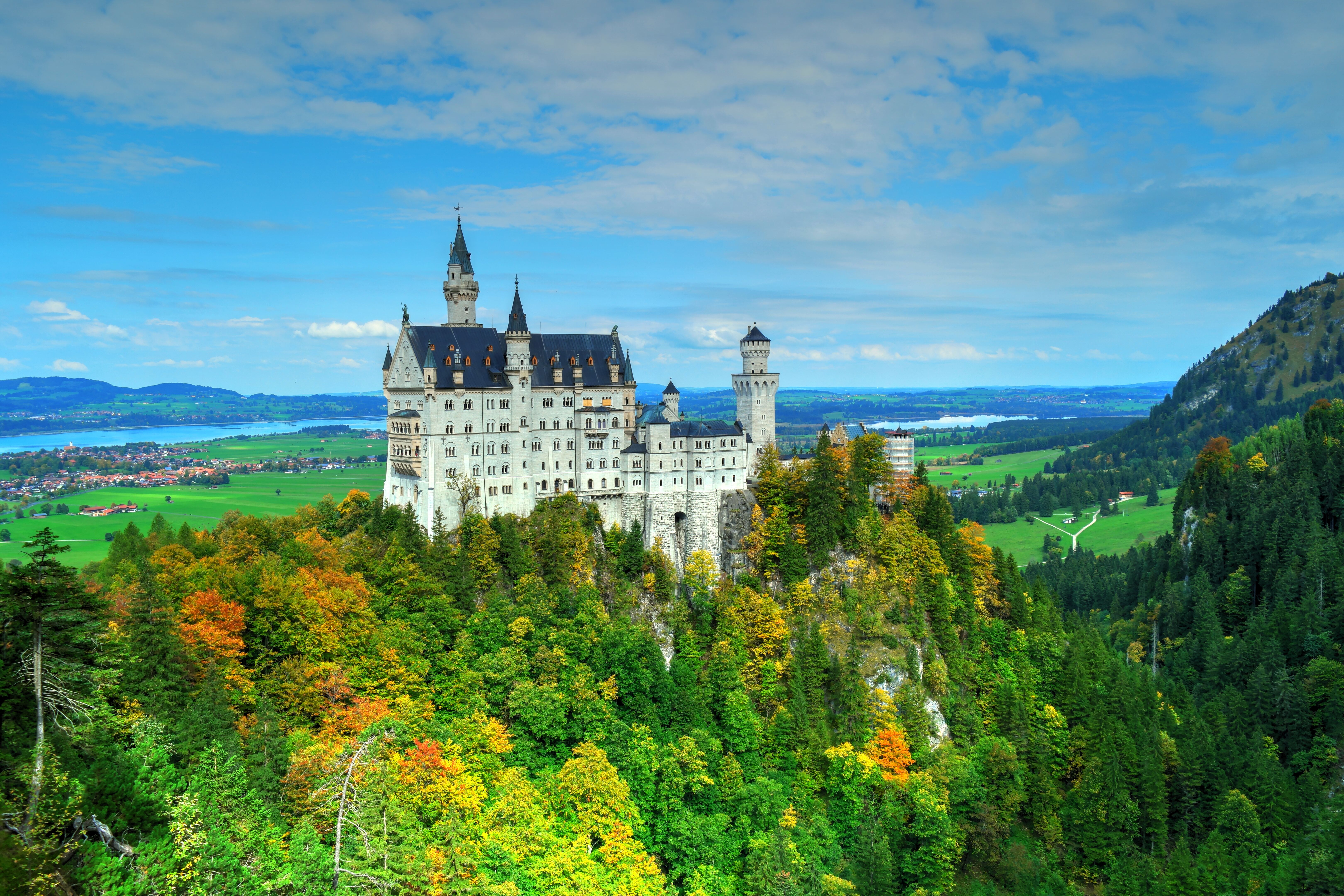
Munich pairs an easy-to-navigate old center with beer gardens, museums and the English Garden. It also works as a base for a day trip to Neuschwanstein Castle, whose romantic design was commissioned by King Ludwig II. Book the castle visit ahead and allow time for the approach; this is not a quick stop beside a train platform. For more context on the city’s historic sights, see this guide to Munich’s historical landmarks. If you’re arranging a private evening with a local companion, research services independently; escort München is one local option.
3. Hamburg: Germany’s maritime side
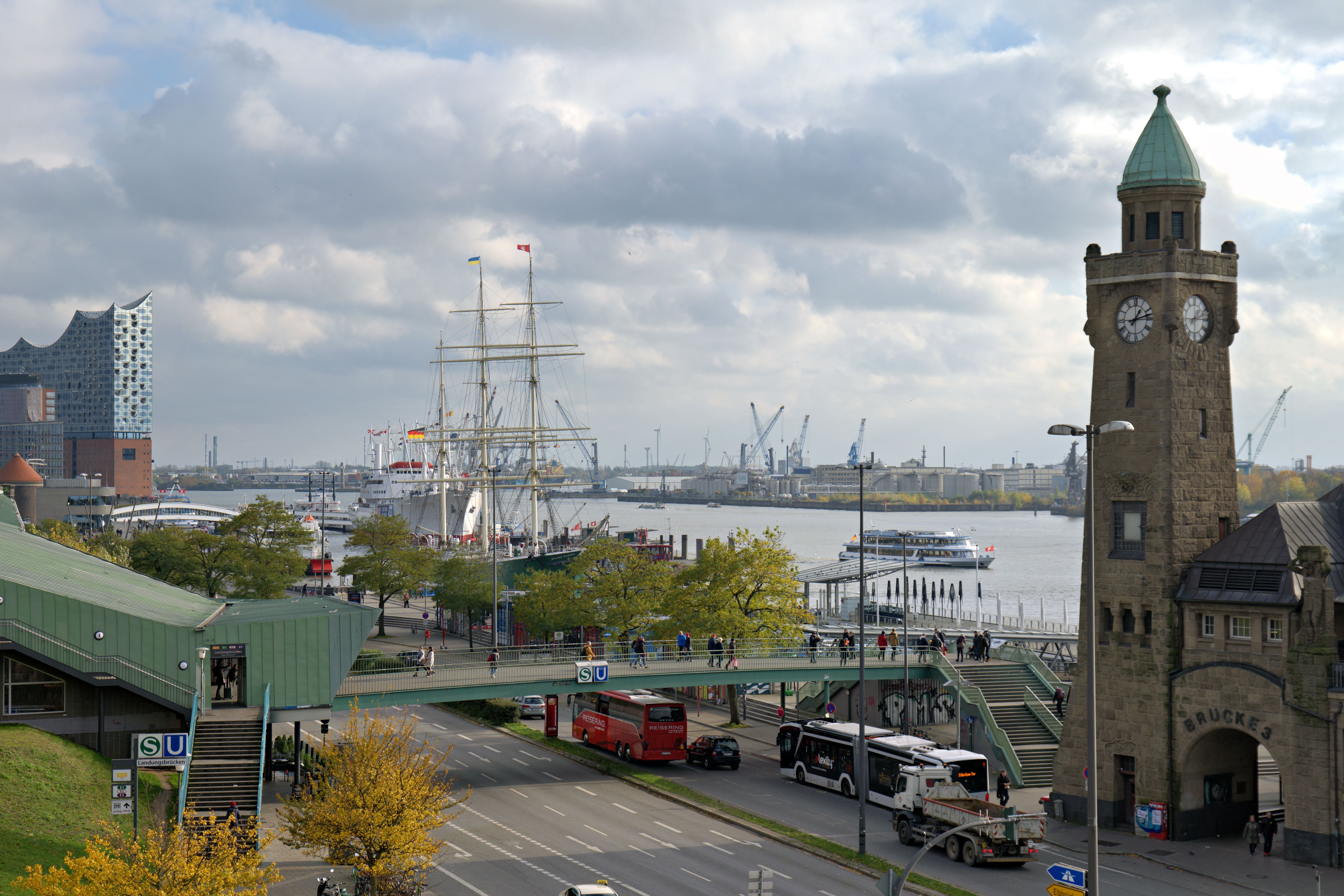
Choose Hamburg for water, brick warehouses and a different pace from the south. Explore the Speicherstadt and HafenCity, see the Elbphilharmonie from the harbor, and take a boat trip if you want the scale of the port to make sense. The city feels most rewarding when you give it a full day rather than treating it as a quick stop between trains.
4. Cologne: a cathedral with a city around it
Cologne Cathedral is the obvious landmark, but the Rhine promenade and old-town lanes make the visit feel less like a monument checklist. UNESCO records that construction began in 1248 and was completed in 1880, a span that helps explain the building’s mix of medieval ambition and later completion. Cross the river for a wider view of the skyline, then settle in for a relaxed evening.
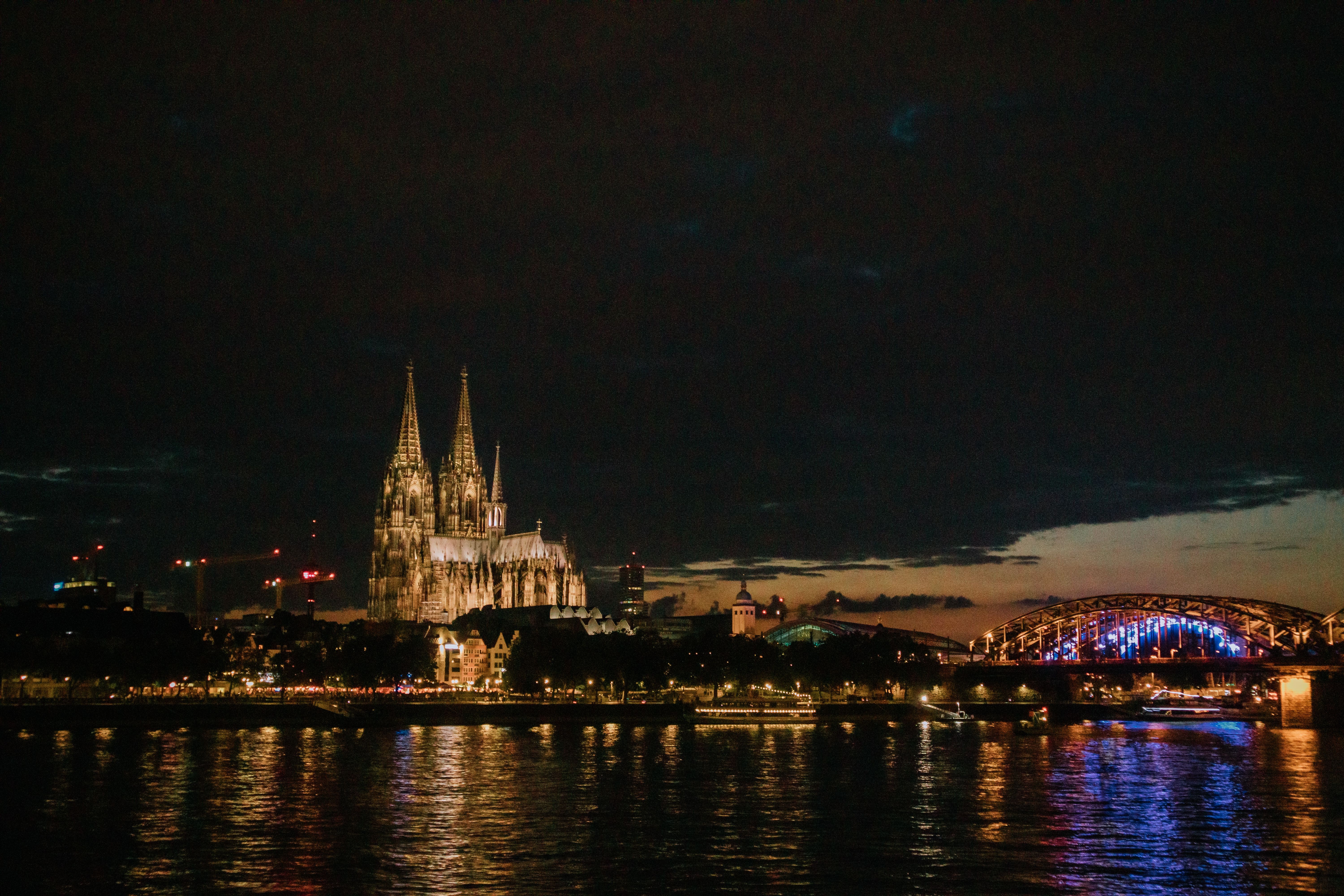
Read UNESCO’s Cologne Cathedral profile for the site’s history and World Heritage significance.
5. Dresden: architecture and a slower Elbe-side day
Dresden is a strong choice for baroque architecture, museums and river views. Give the historic center unhurried time, especially around the Frauenkirche and Zwinger, rather than squeezing it into a few hours. It balances Berlin well: where the capital is restless and broad, Dresden’s major sights sit closer together.
6. Heidelberg: a compact romantic stop
Heidelberg makes sense if you want a smaller, scenic city between larger stops. Walk the old town, cross the Old Bridge and take in the castle above the Neckar. It is popular, but its appeal is not only the famous view; the river and hillside setting make an easy walking day feel complete.
7. Rothenburg ob der Tauber: save room for the storybook town
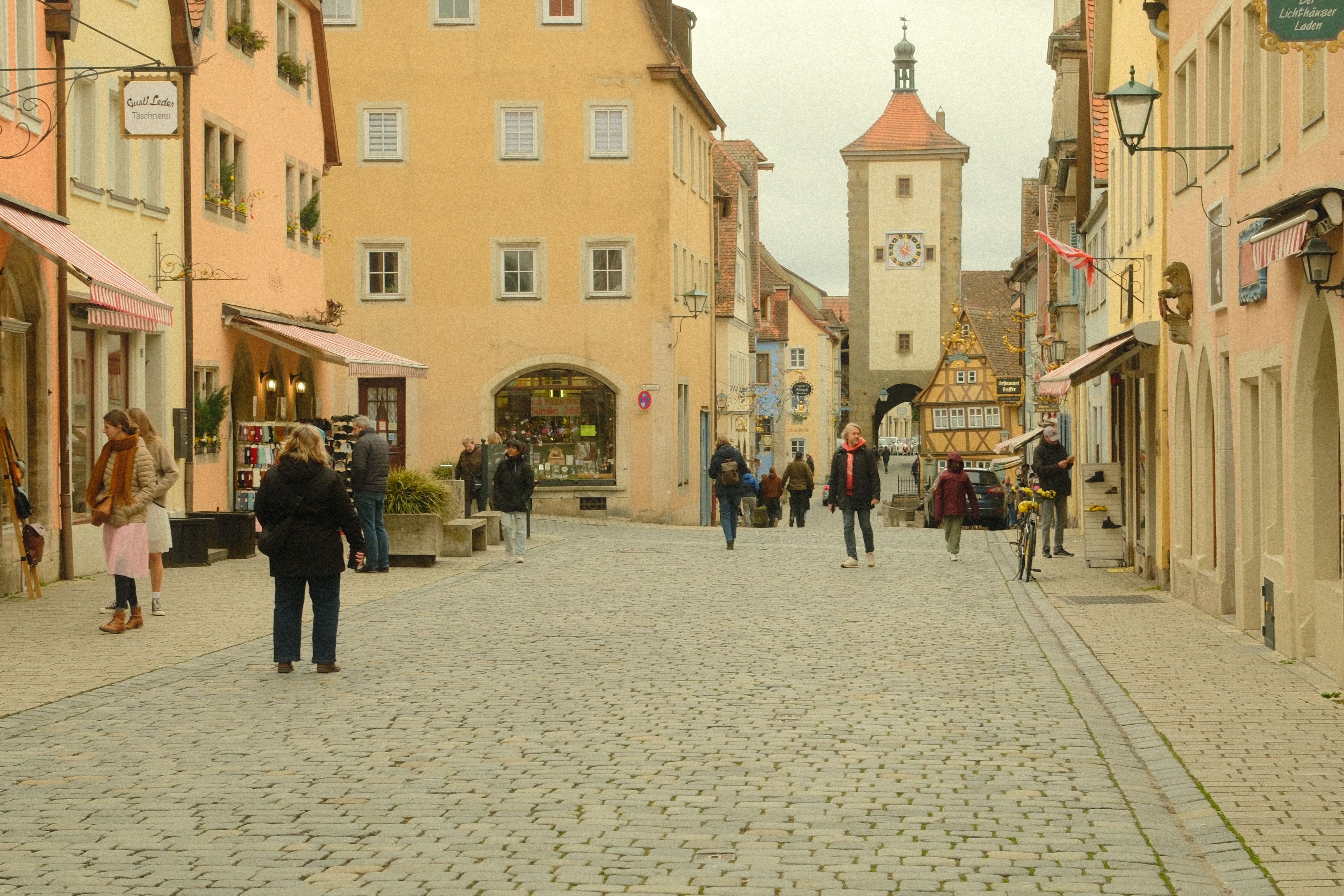
Rothenburg is smaller and more polished than the big cities, but its lanes, towers and old-town walls offer a vivid change of scale. Arrive early or stay overnight if you can; the town is calmer once day-trippers thin out. Germany Travel describes it as a place to explore on foot, with historic streets and tucked-away corners around the old town.
Make the route manageable
For a first trip, combine two or three major cities with one smaller destination instead of trying to cover the whole map. Berlin, Hamburg and Cologne suit an urban itinerary; Munich, a castle excursion and Rothenburg make a more southern, scenic route. Check train connections before booking hotels, and give each place enough time to feel different rather than merely photographed.